
AdZilla: The Ad-Eating Dino of Solana’s Meme Token Wave
Introduction
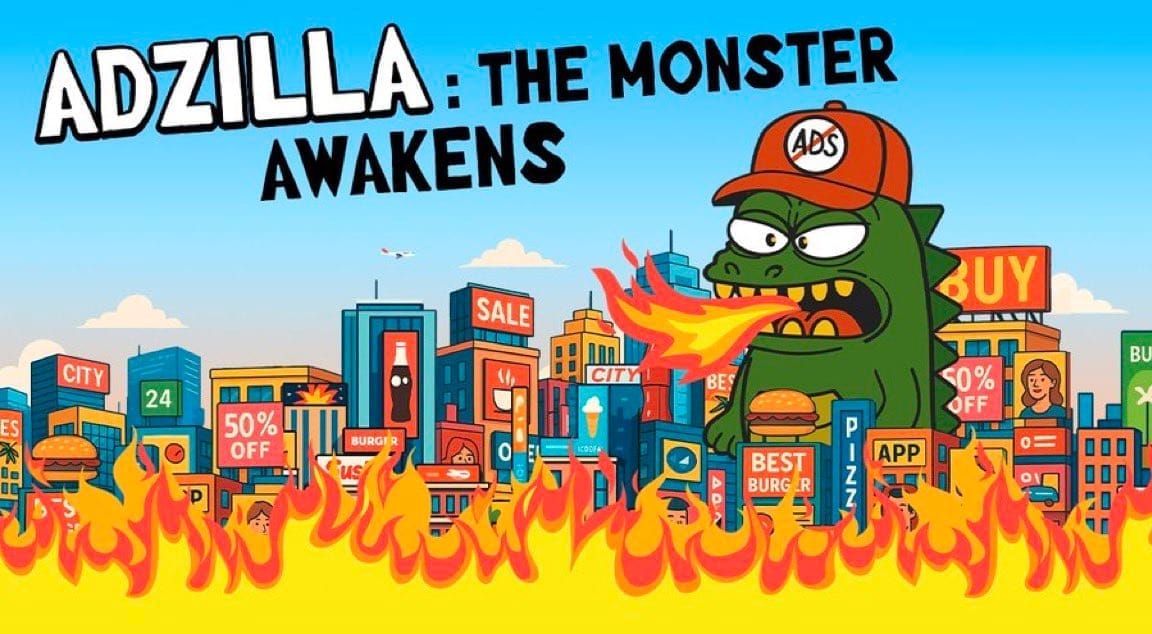
The meme-token space on Solana continues to evolve, and ADZILLA enters the scene with a branding twist: the “ad-eating dino”. This guide unpacks the core purchase steps from the token’s official webpage, examines what it means in today’s Solana ecosystem, and outlines key risks and considerations for entrepreneurs and crypto-aware professionals.
What is ADZILLA?
According to the project’s website, ADZILLA is a meme token built on Solana. The landing page guides users through the process of buying the token:
Create a wallet (via Phantom).
Acquire SOL in that wallet.
Go to a DEX (via Jupiter).
Swap SOL for ADZILLA and you become a holder.
The website also flags the token as a meme and brand-style play (“Buy $Adzilla Memecoin”).
Why it matters in the Solana ecosystem
User onboarding simplicity: The project walks users through relatively standard Solana onboarding steps — wallet setup (Phantom), acquiring SOL, and trading on Jupiter. This reflects growing maturity in Solana token flows and user-experience for non-technical participants.
Meme token space intersection: Meme coins often rely heavily on branding, social hype, and community momentum. ADZILLA’s “ad-eating dino” angle is a clear attempt to differentiate in a crowded field.
Tokenomics implication: While the site doesn’t deeply describe mechanics like burn rates, staking, or utility, projects that burn or remove supply can create scarcity effects — something well-understood in tokenomics (see general burn mechanics on Solana).
How to buy ADZILLA (Step by step)
Install and set up a Phantom wallet (or equivalent Solana wallet).
Purchase SOL and transfer it into your wallet (via exchange or wallet buy function).
Visit Jupiter (or connecting DEX) and connect your wallet.
In Jupiter select the pair SOL → ADZILLA and execute the swap.
After the swap you hold ADZILLA in your wallet and join the community (“you are now an $ADZILLA holder”).
Key considerations and risks
Lack of detailed tokenomics disclosed: The website gives purchase steps, but little detail about total supply, burn schedule, liquidity constraints, governance, or utility. Without this, risk increases.
Meme token volatility: As with any meme token, market sentiment, hype cycles, and social media drives dominate value more than fundamentals.
Smart contract risks / token contract audit: On Solana, burning and supply controls rely on correct implementation (e.g., via SPL Token “burn” instruction).
Ensure you’re comfortable with the project’s code and contract permissions.
Liquidity and listing risks: When using a DEX like Jupiter, check liquidity depth, slippage, and whether there is locked or transparent liquidity. Low liquidity can cause price instability.
Regulatory & branding risk: Meme tokens often face branding or regulatory scrutiny if slogans or features imply promises of returns or utility. Always treat holdings cautiously.
Relevance for entrepreneurs & AI professionals
Given your interest in AI news and community building, here’s how ADZILLA-style projects can highlight broader lessons:
Community-first launch models: Like many meme tokens, community engagement is more critical than deep tech. For your AI-focused Skool community, the analogy is that value often comes from engagement, content, and community dynamics rather than purely tech.
Token model thinking for digital products: If you plan digital product launches (e-books, subscriptions), consider scarcity mechanics, membership tiers, community tokens (not necessarily crypto), and token-like dynamics of supply, demand, and value.
Branding matters more than you think: “Ad-eating dino” is a branding hook. Similarly in AI content or subscription models, striking branding hooks (6-word Power Hook you use in video titles) matter.
Risk and transparency in token/offer launches: Just as token projects must disclose tokenomics, your digital products and membership offers benefit from transparency: what members get, how many spots, how it works. Builds trust.
Conclusion
The ADZILLA token presents a typical example of a modern Solana-based meme coin: simple onboarding flow, bold branding, and heavy community/hype focus. For entrepreneurs and professionals evaluating such projects, the key takeaways are: understand the tokenomics (or absence thereof), evaluate liquidity and risk, and consider how branding and community dynamics drive value.
For your own ventures, analogously the lessons are: focus on user onboarding experience, build strong branding hooks, and maintain transparency and value for participants.